.jpg)
Susanne Reimann
Osteopath/Physiotherapist
Susanne Reimann B.Sc., born 1966, osteopath, physiotherapist, naturopath & naturopathic physiotherapis, Somatic-Experiencing-Practitioner®, EmotionAid-Facilitator®, studied complementary medicine and management, currently pursuing an M. Sc. In applied psychology and health psychology, acupuncture according to the NADA protocol, author of specialist books, self-employed for 30 years in her own practice specializing in osteopathy, trauma-work, acupuncture and EmotionAid® training.
Germany
Abstracts
No abstracts available for this speaker.
Featured 2025 Speakers
Speakers of The Club
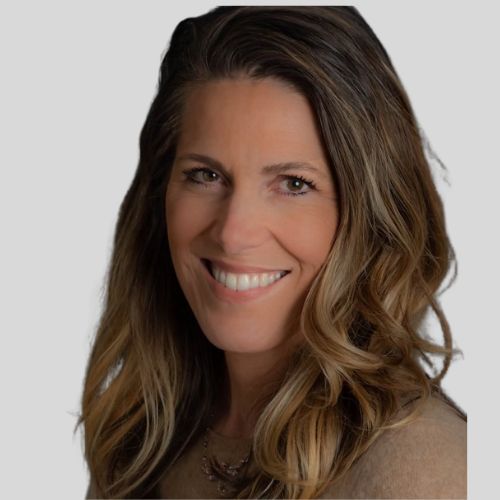
Dr. Tami J Recesso
Recesso Physical Therapy, LLC & DocTami.com
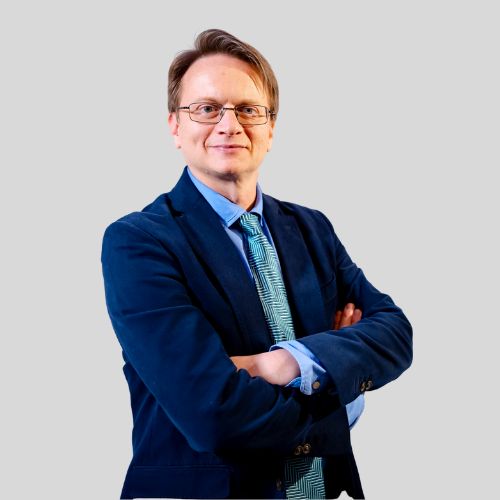
Prof. Dr. Alessandro Urbanaz
I.M.S.O. OSTEOPATHY SCHOOL & KIHO FOR CARE
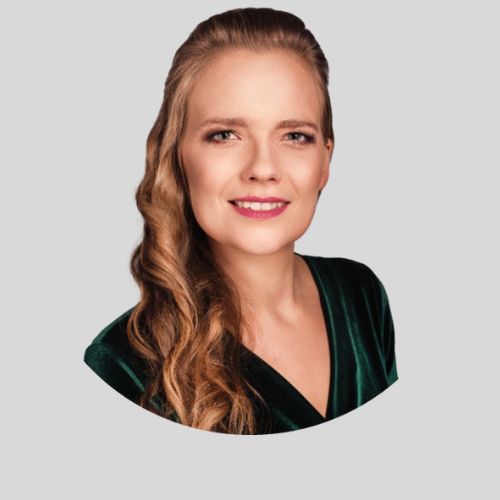
Dr. Anna Malwina Kamelska-Sadowska
University of Warmia and Mazury in Olsztyn
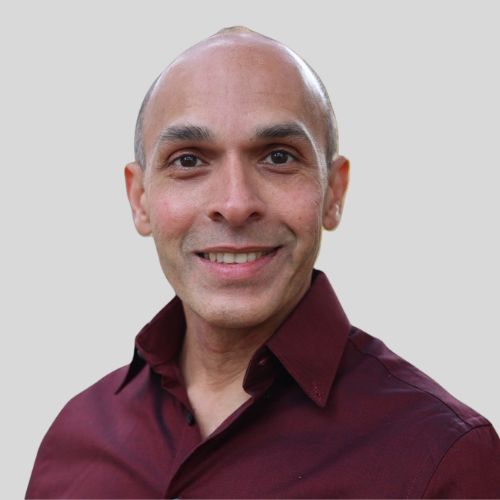
Dr. Konrad J. Dias
California State University
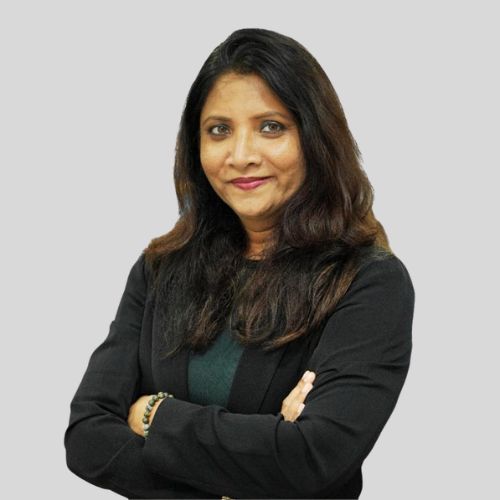
Dr. Dipti Patil
Aarrosh Aquatherapy, Physiotherapy Rehabilitation and Research Centre
.jpg)
Arbnore Ibrahimaj Gashi
University of Pristina
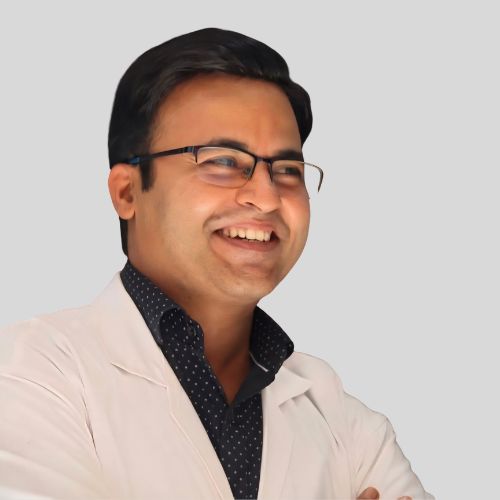
Dr. Naveen Potti
Naveen Institute of Manual Therapy
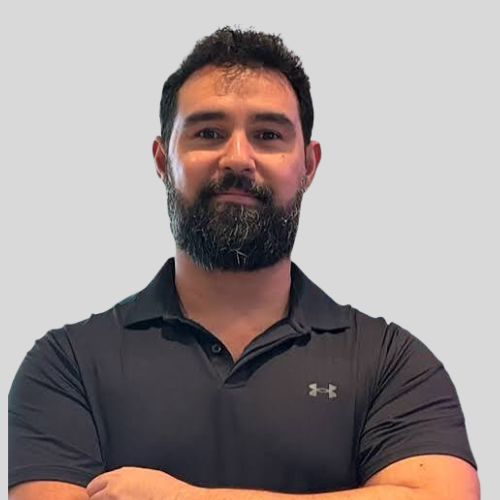
Kieron James Phillips
Singapore Institute of Technology
.jpg)
Maksymilian Celotti
Osteopath/Physiotherapist
.jpg)
Roopa Sandeep Rao
Co-Founder PhysioLogic PRISM
.jpg)
Ciprian Gospodin
Clinical Director & Specialist Musculoskeletal Physiotherapist